Gigas Squid Quota Raised Again; China Market Prices Decline Further, While Illex Squid Remains Firm
Peru has once again raised its 2026 fishing quota for gigas squid, fueling growing market expectations of increased future supply. Driven by the release of the additional quota, wholesale prices of Peruvian gigas squid on China’s market continued to fall in Week 28 (July 6 – July 12). In contrast, Illex squid from Argentina maintained steady prices amid tight supply, creating a stark divergence between the two major South American squid varieties.
Data from Huacai shows that the wholesale price of 1–2kg Peruvian gigas squid at Chinese ports in Week 28 dropped by approximately RMB 100 per metric ton, equivalent to USD 14 per ton week-on-week, marking a sustained price decline. By comparison, wholesale prices for 200–300g Argentine illex squid remained largely unchanged from the prior week with no notable volatility.
This price shift is closely tied to Peru’s latest revised fishing policies. Peru’s Ministry of Production has lifted the 2026 gigas squid quota to 589,230 metric tons, an additional 50,000 tons on top of the previous plan. A remaining catch limit of 68,218 tons is available for the rest of the fishing season, running from July 7 to December 31.
Official statistics indicate that as of July 6, cumulative landings of gigas squid in Peru hit 519,682 metric tons, accounting for 88.2% of the adjusted annual quota. Following the second quota expansion, the market broadly anticipates larger volumes of raw squid to enter global markets in the coming months, amplifying expectations of ample supply.
The Zhoushan International Agricultural Products Trade Center in Zhejiang stated that buyers have adopted a markedly cautious purchasing approach after Peru’s successive quota hikes. Market participants are prioritizing inventory control over aggressive procurement expansion, as widespread forecasts point to further supply growth with little upward momentum for prices in the short term.
The trade center also noted that a recovery in catering consumption in the second half of the year is expected to boost trading volumes of squid products. Nevertheless, buyers are currently focused on inventory management, resulting in relatively muted market activity with no large-scale restocking wave observed.
The Argentine illex squid market tells a different story. The market remains reliant on depleting existing inventories amid persistent supply constraints, keeping wholesale prices at relatively high levels with minimal spillover impact from the swelling supply of Peruvian gigas squid.
Improvements in Argentina’s future supply hinge on adjustments to its domestic fishing fleet size. The Federal Fisheries Council of Argentina recently reaffirmed plans to add 15 to 20 new squid fishing vessels, despite opposition from the Province of Buenos Aires. A technical report published by the National Institute for Fisheries Research and Development (INIDEP) argues that adding 15 to 20 squid boats under current resource management rules will boost harvesting capacity within Argentina’s Exclusive Economic Zone (EEZ) and strengthen the country’s competitiveness in global markets.
The report further pointed out that only 84 domestic squid vessels are operating inside Argentina’s EEZ at present, compared with around 338 foreign fishing vessels operating in waters outside the zone and an additional 150 vessels fishing around the Falkland Islands. This massive disparity in fleet size is a core driver behind Argentina’s ongoing push to expand its domestic fishing capacity.
At present, the Peruvian gigas squid market is absorbing supply expectations stemming from the expanded quota, leaving prices under persistent downward pressure. Argentine illex squid prices, by contrast, are underpinned by tight supply and set to stay stable in the near term. The market performance of both squid varieties will continue to be shaped by subsequent fishing progress and inventory fluctuations.

Latest News
-
 8 Essential Criteria to Judge the Freshness of a FishFish is a healthy product, but choosing a good fish when you are a beginner in the kitchen can be tricky. I want to share with you some tips to properly judge the quality and freshness of the fish bef...
 -
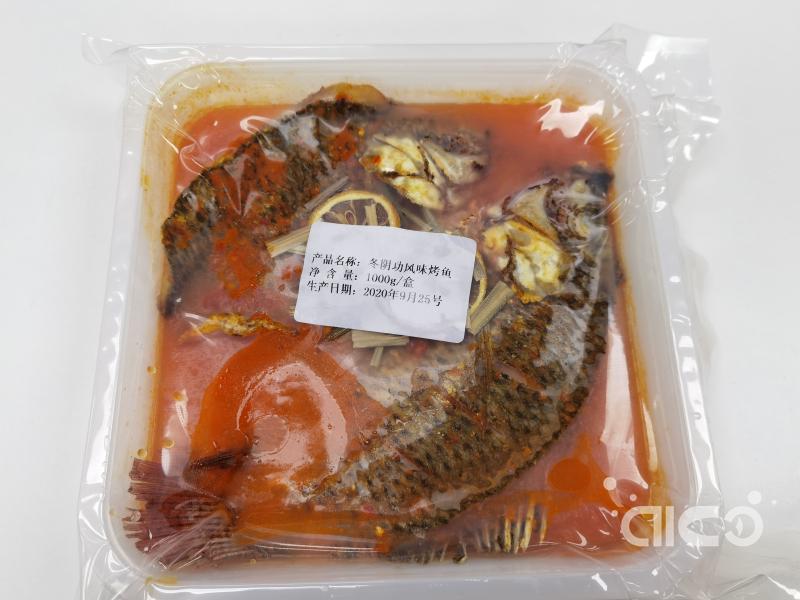 How to Select and Store Tilapia? How Do You Cook Tilapia?More Truth About Tilapia: Is it Safe? Is it Good for your Health? How to Select and Store Tilapia for the Best Quality Possible How Do You Cook Tilapia? Does Tilapia Pose Any Side Effects or Health Risks?
 -
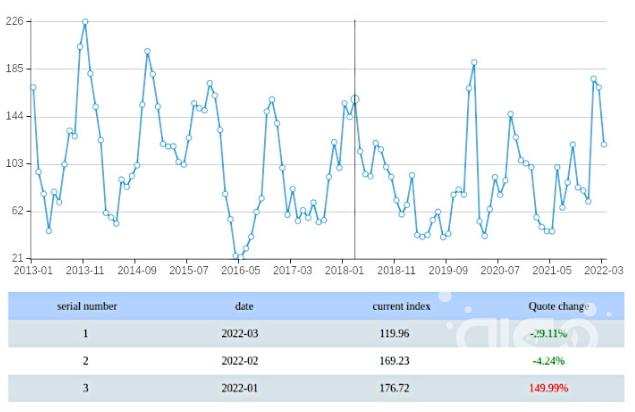 Oceanic Squid Index of ChinaChina released the oceanic squid index, which shows that the price of squid gradually rised from June 2022. Due to the reduction in squid catches, it is expected that the price of squid will gradually increase in the second half of 2023. Please seize the opportunity before the continuous price increase ⬆ ⬆ ⬆
 -
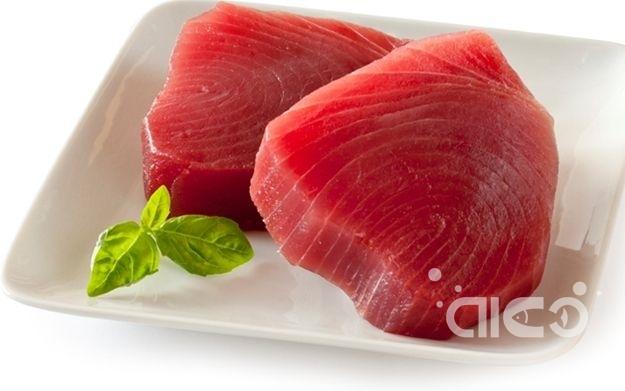 FAO: Global consumption of tuna may remain low in 2024!FAO: Global consumption of tuna may remain subdued in 2024, and falling raw material prices may not drive volume growth.
 -
 European market tilapia purchase intentions rise, retailers focus on supply chain stabilitySince the Ukrainian war, global cod prices have risen sharply, and supply chain uncertainty has increased day by day. The European market has begun to look for alternatives to wild whitefish, and farm...
